Companionship for Seniors: A Powerful Way to Ease Seasonal Depression
Seniors Prefer Homecare2026-03-08T09:36:28-04:00Learn how companionship for seniors helps reduce loneliness, winter depression, and seasonal changes.
Learn how companionship for seniors helps reduce loneliness, winter depression, and seasonal changes.
Family caregivers spend an average of more than 24 hours a week helping their loved ones continue to live at home. Unfortunately, this time commitment and all the other obligations a caregiver has often put their physical and mental health at the bottom of their to-do list.
Let’s look a little deeper into the benefits of art therapy, and see if it would be beneficial for your senior loved one.
Aging adults who are more positive and optimistic tend to enjoy healthier, more fulfilling lives than those who aren’t. If your aging parents are acting like a couple of “negative Nellies” right now, here’s how to help them develop a more positive attitude so they can enjoy life to the fullest.
A lifestyle-altering event like the COVID-19 pandemic creates unique social challenges because of travel bans, stay-at-home orders and social distancing guidelines. Fortunately, as an informal caregiver there are several ways to keep your senior socially engaged, starting with these.
You’ve been taking care of your aging in place elderly mother for about a year now, and everything was going fine until recently. But now mom’s energy level has decreased noticeably, and she’s stopped participating in many of her favorite activities. Her lack of interest and decreased energy have got you worried, but you’re not sure what to do. Thankfully, helping a lethargic senior regain their “zest for life” is possible when using these tips.
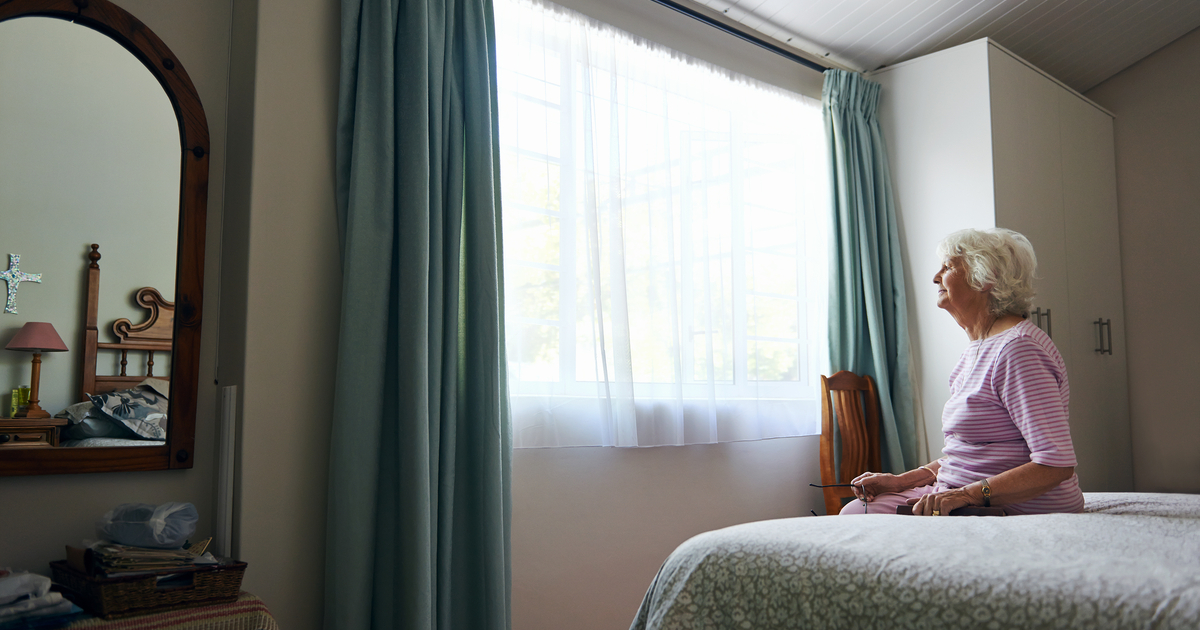
Your aging mother died a few months ago after a long illness, leaving your elderly father alone in the house they once shared. Ever since mom’s death, dad just hasn’t been the same and you suspect he may be suffering from loneliness. He’s not eating right, keeping up his appearance, and has even stopped meeting his friends for morning coffee.
We’ve all seen movies with the grouchy old man who’s yelling at the neighborhood kids for being on his lawn. But the sad reality is that millions of aging in place seniors feel unhappy, unwanted and depressed. If you’re currently looking after an elderly loved one who’s always angry and never seems to smile, it can be challenging to “turn their frown upside down”.
Most people experience depression periodically, but for those aged 65-plus it’s an oftentimes overlooked problem that’s on the rise. In fact, roughly 25% of the elderly population currently suffers from depression, and half of all senior doctor visits include complaints about emotional distress. On the plus side, if you’re a caregiver for an at-home loved one who may be depressed, there are several reliable steps you can take to improve their health and well-being.